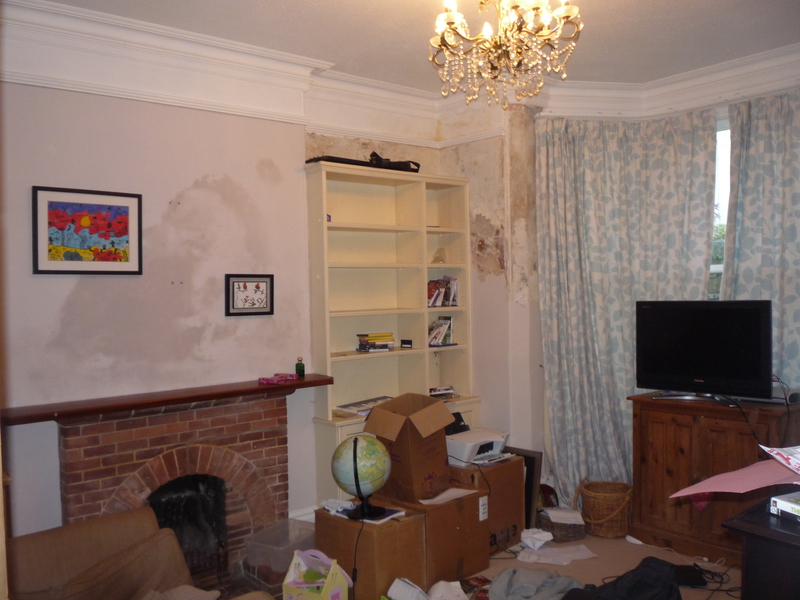
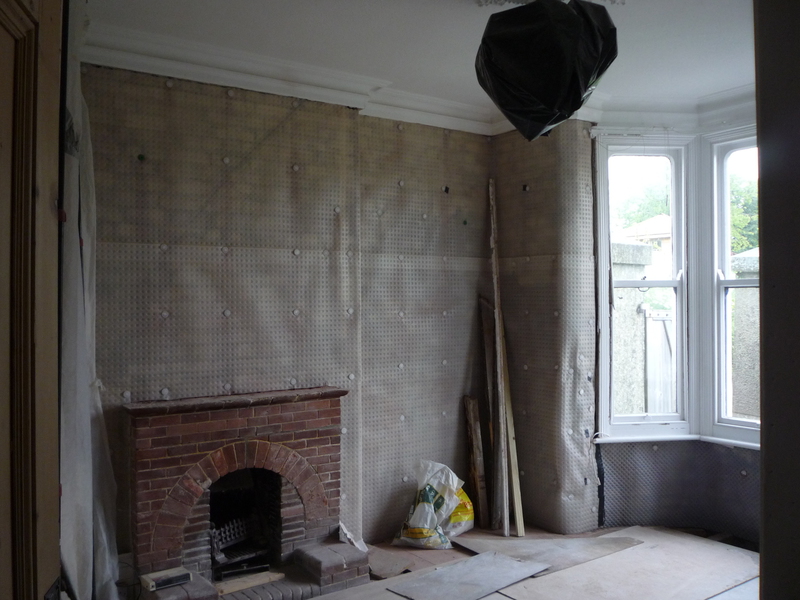
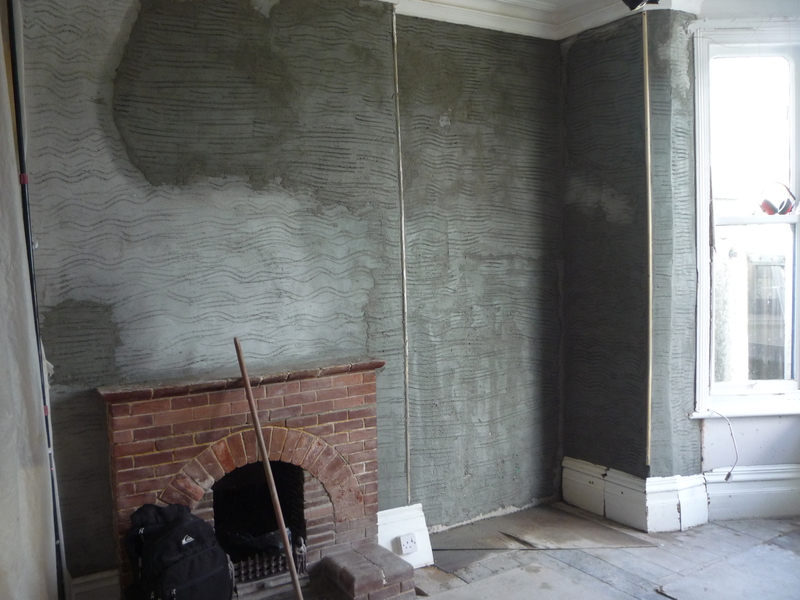
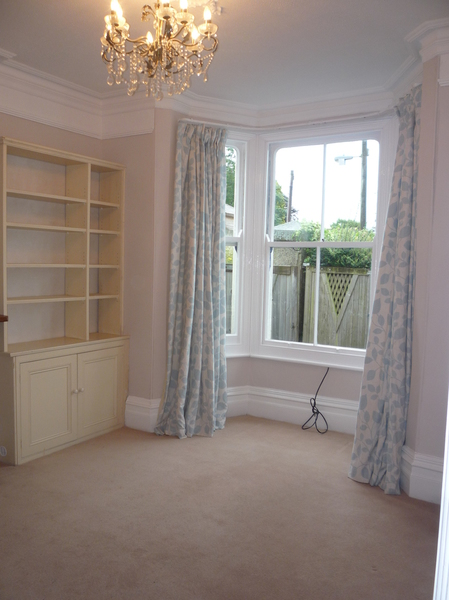
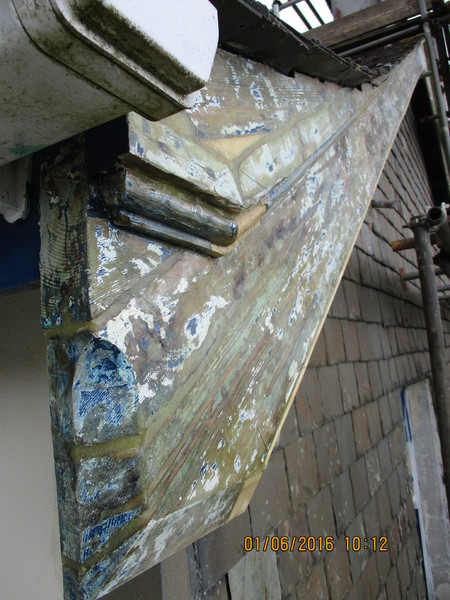
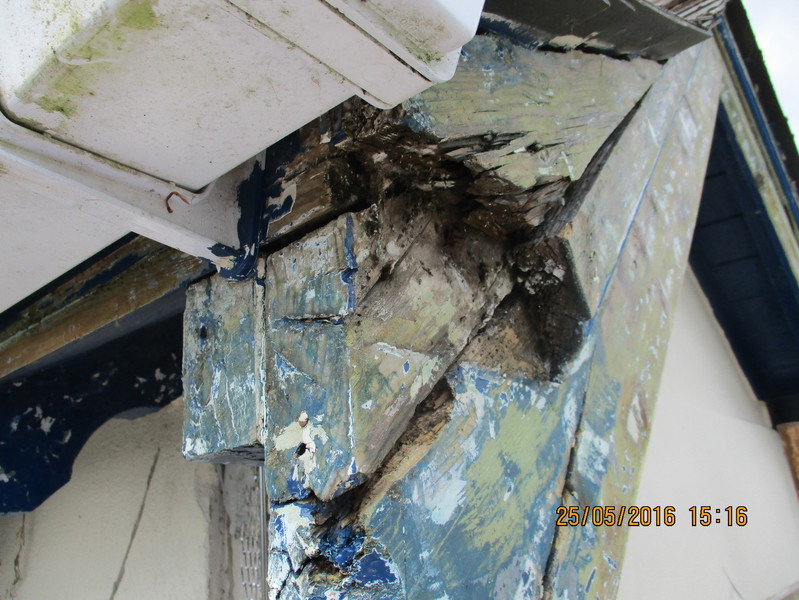
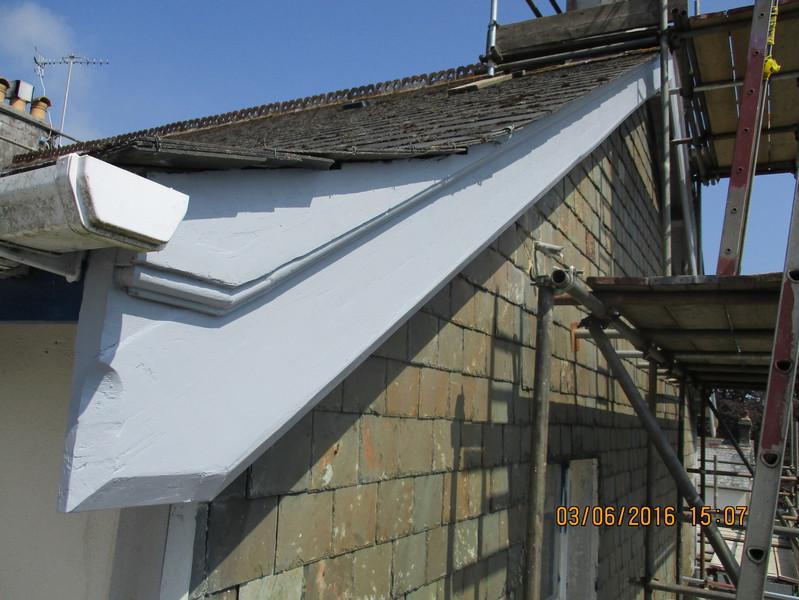
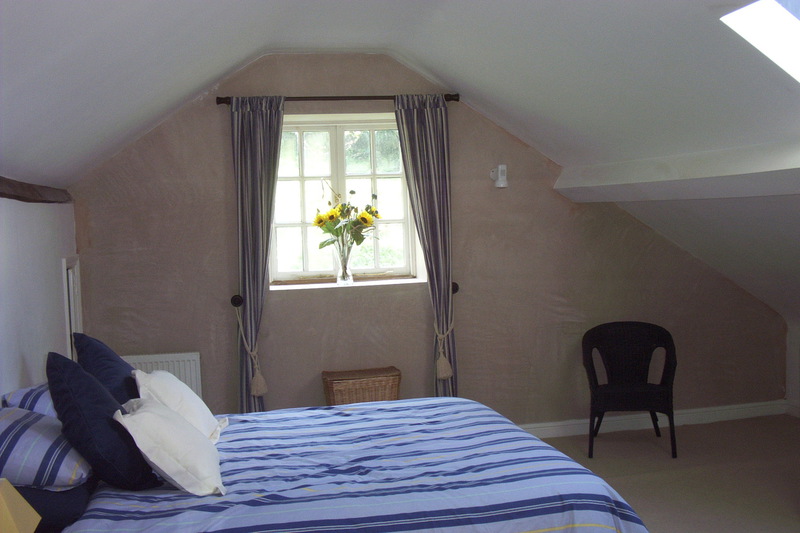
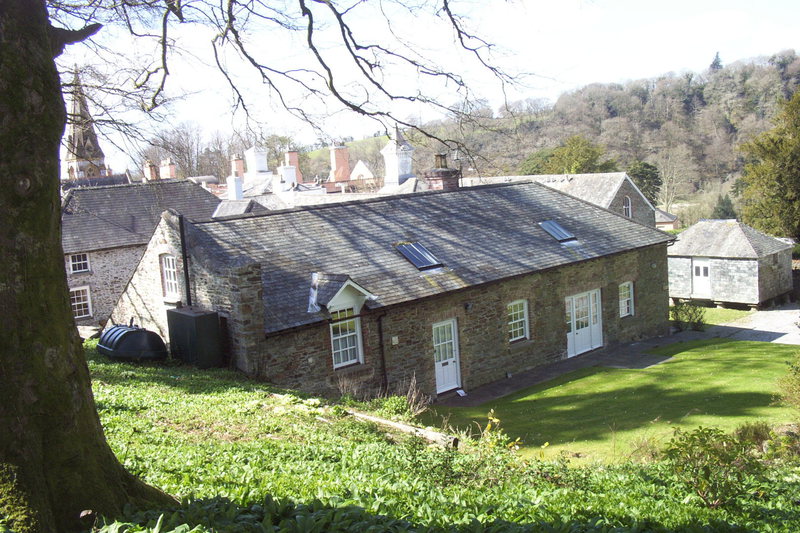
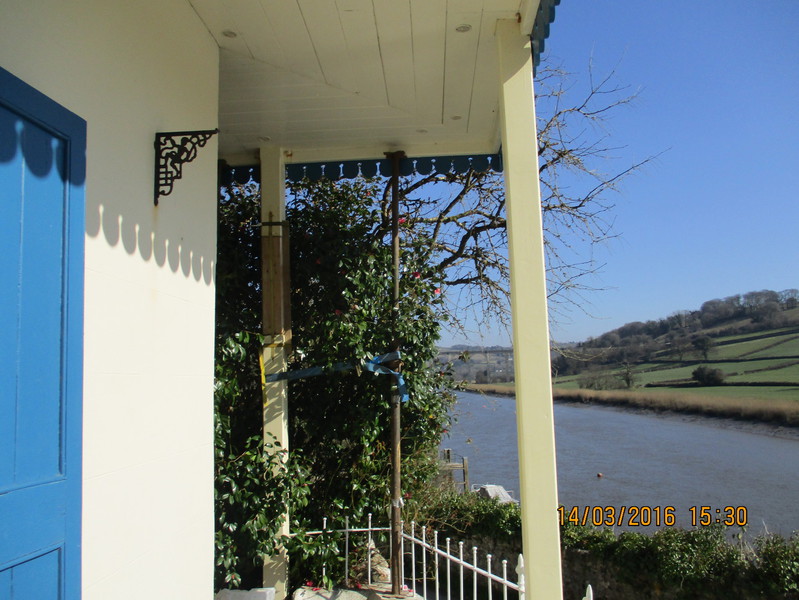
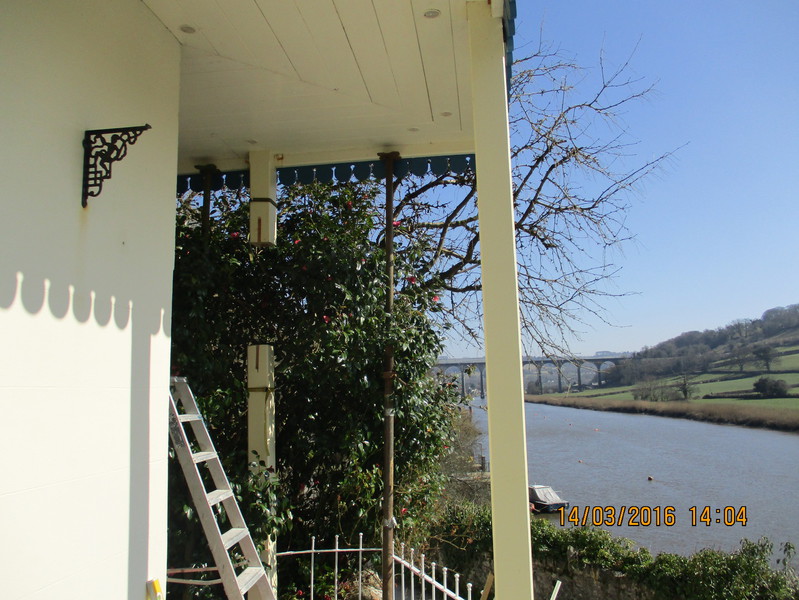
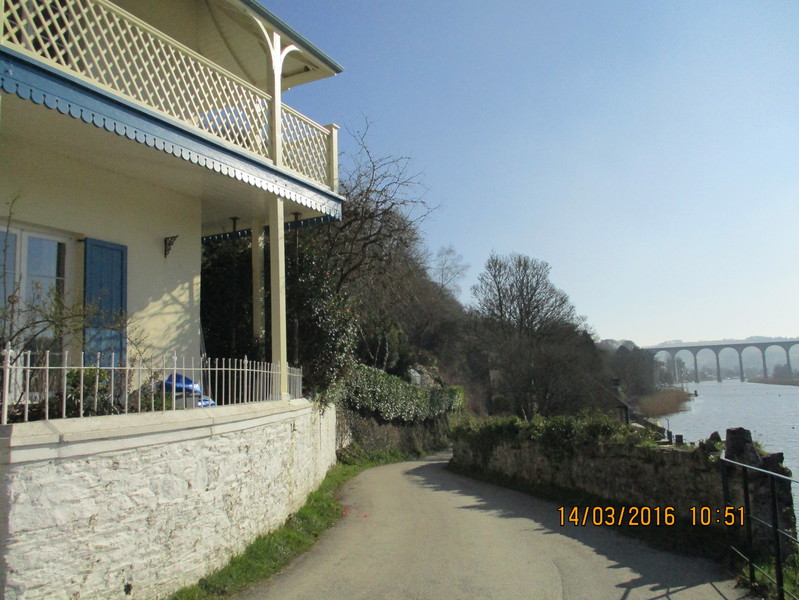
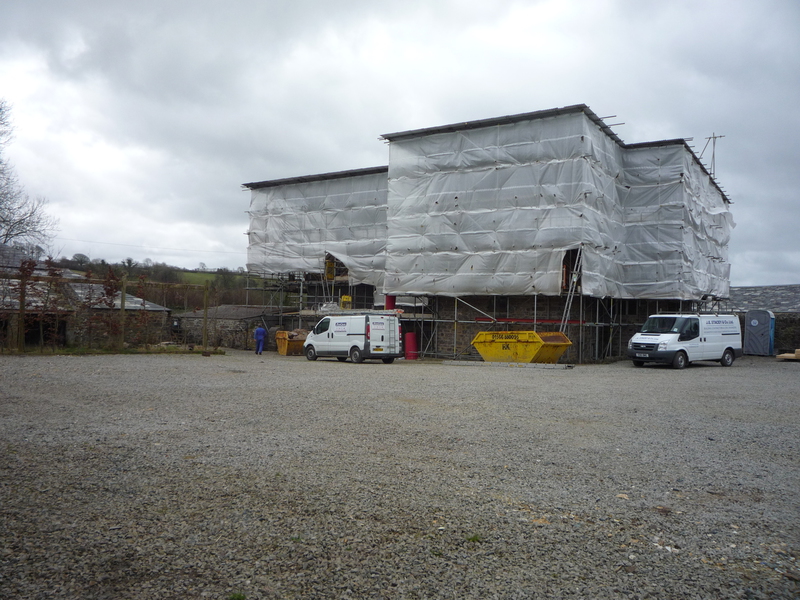
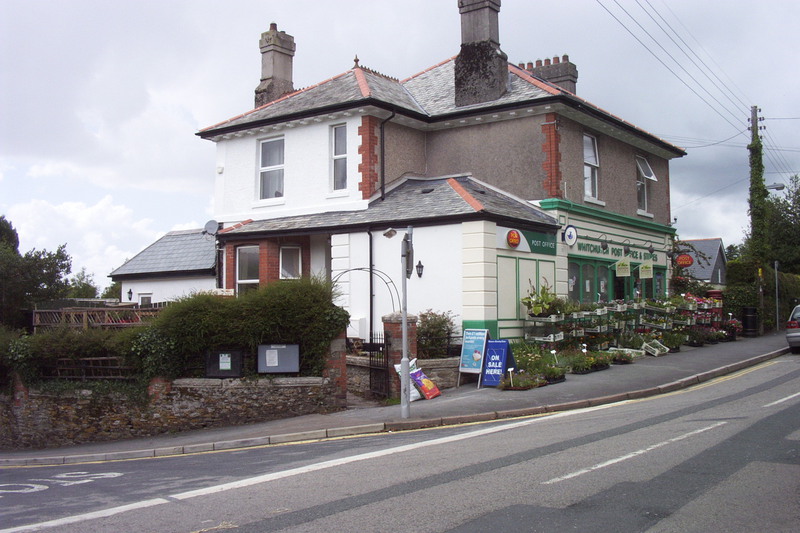
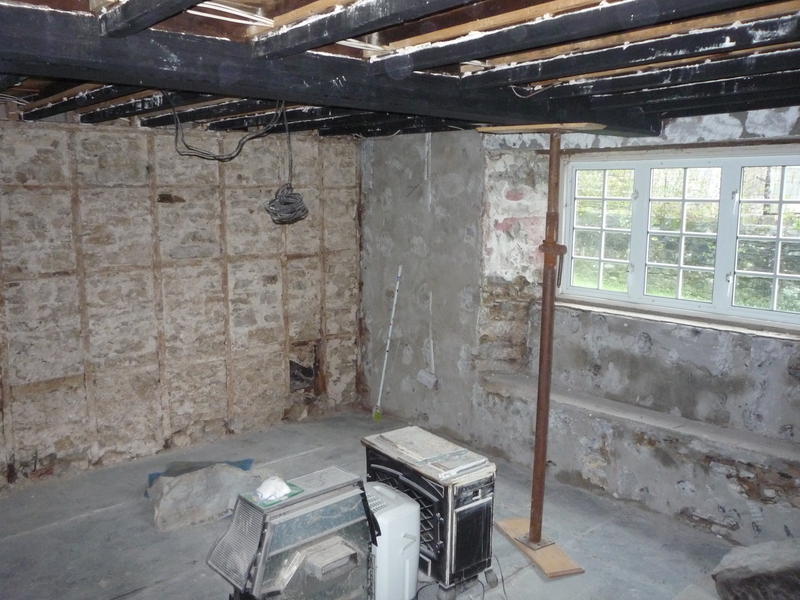
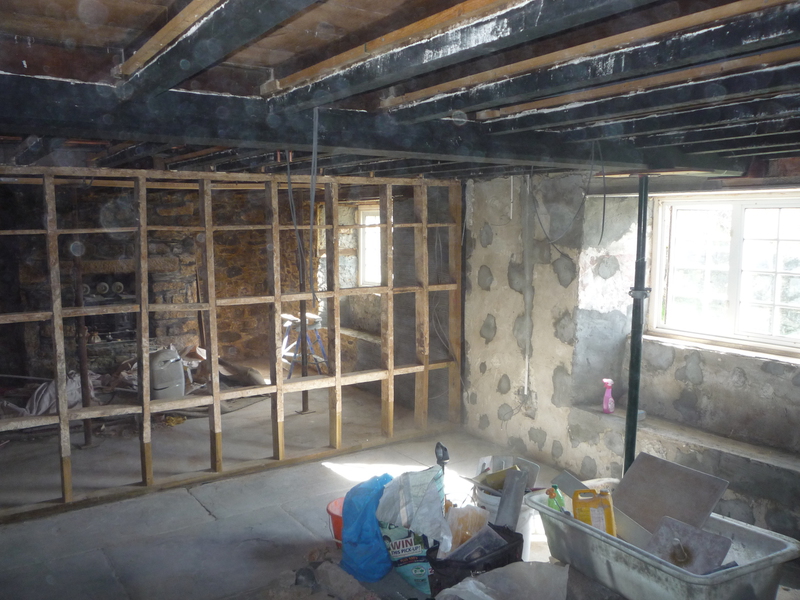
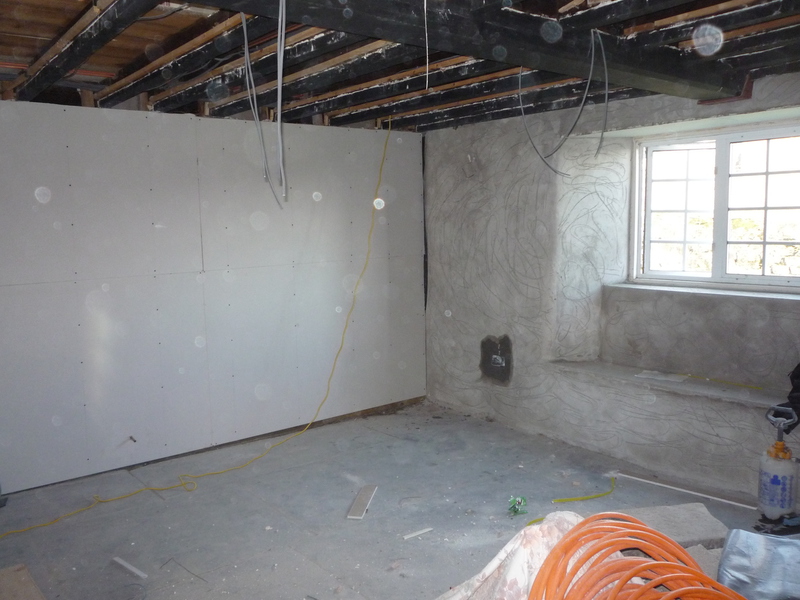
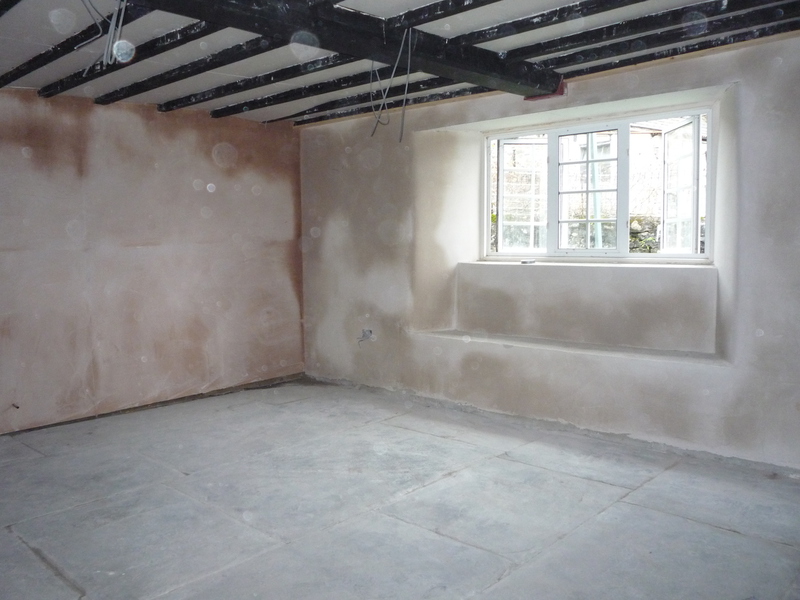
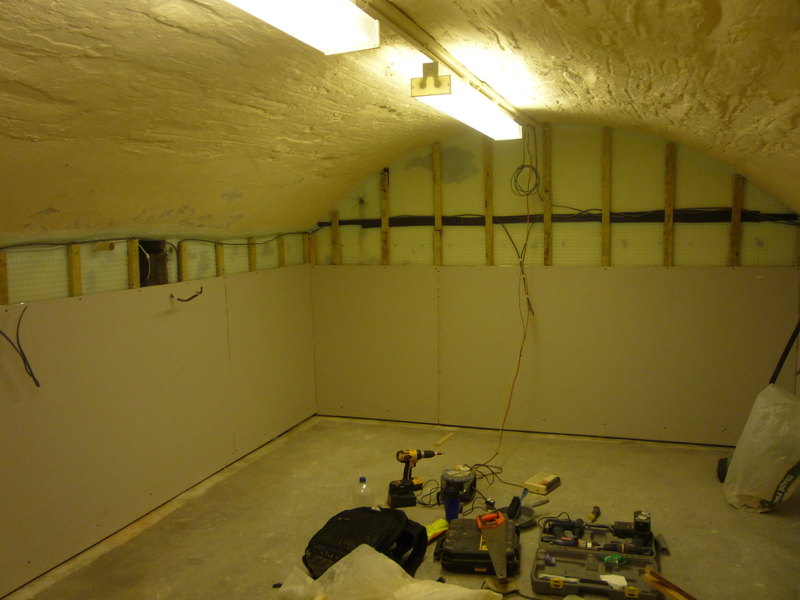
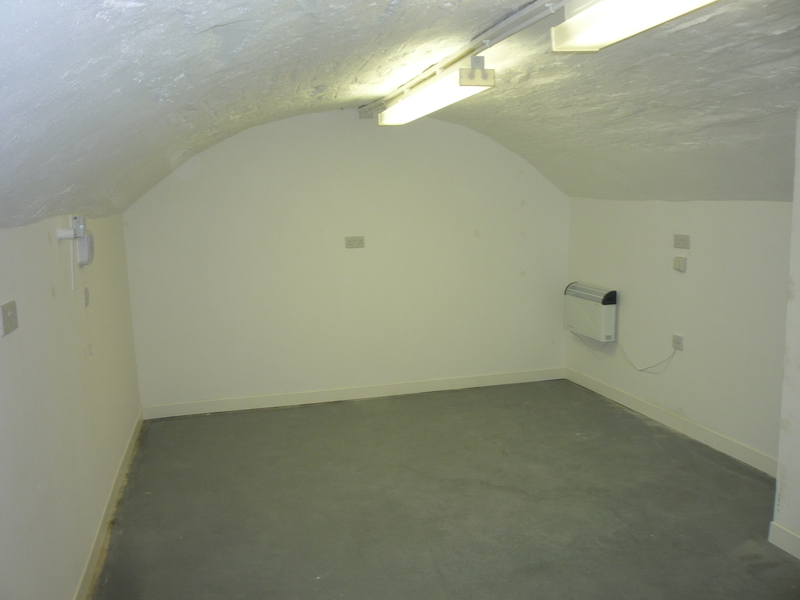
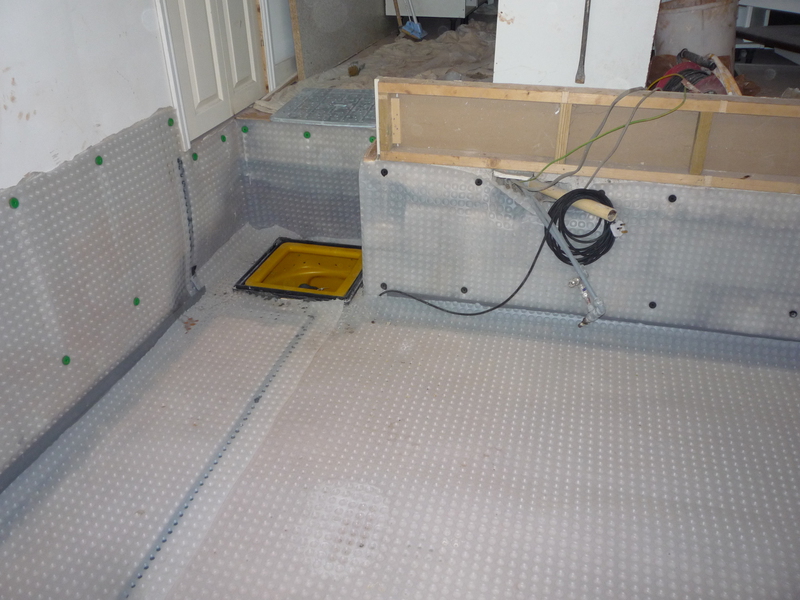
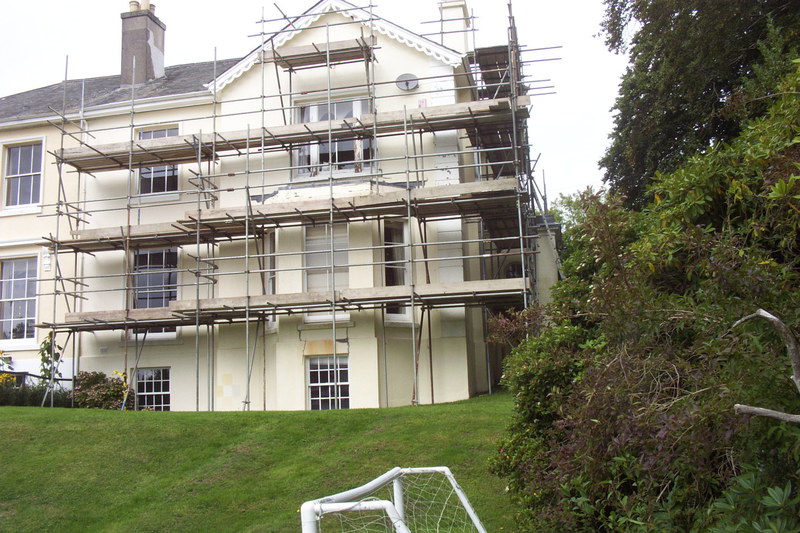
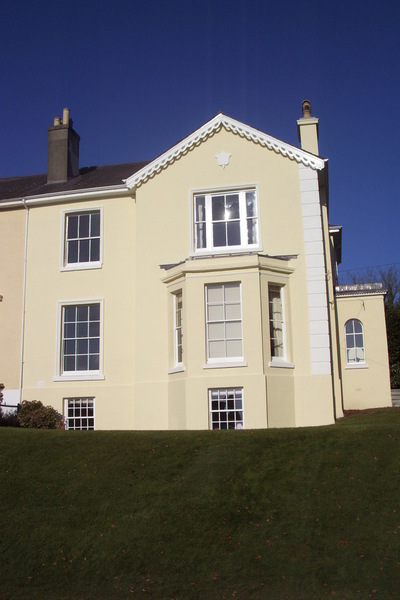
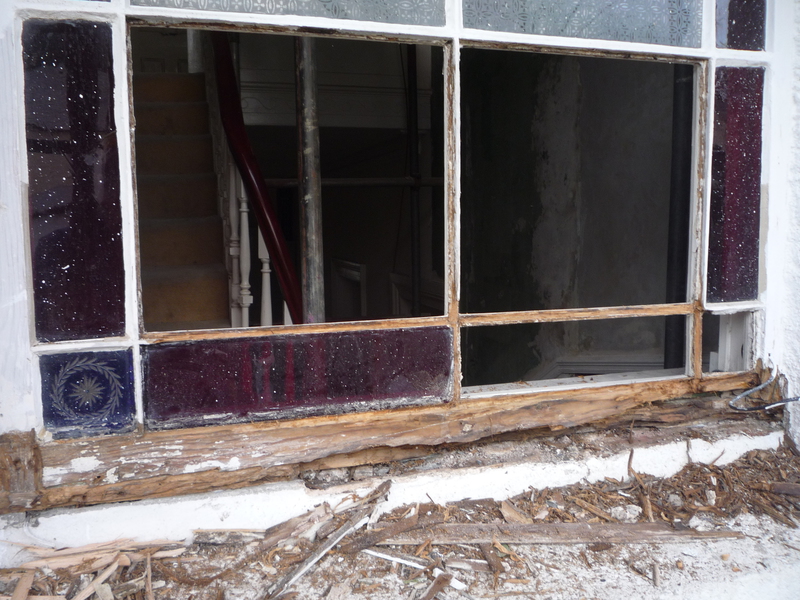
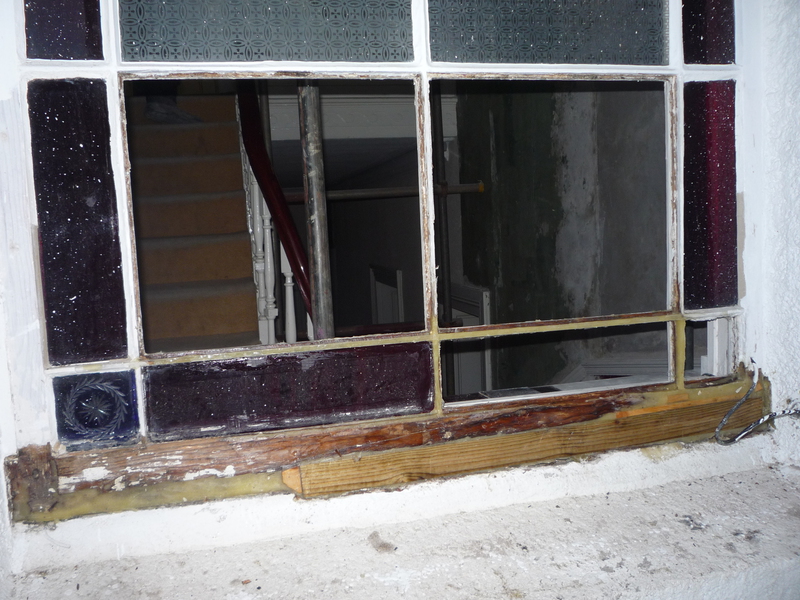
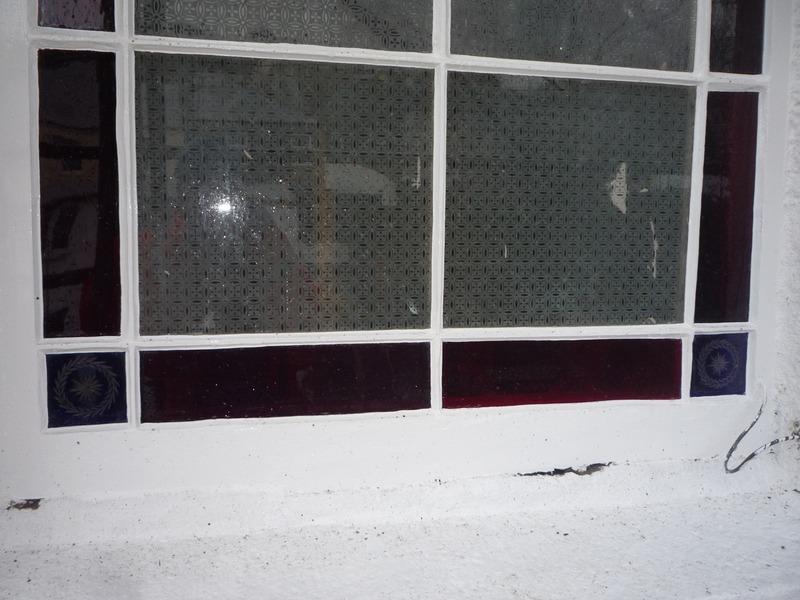
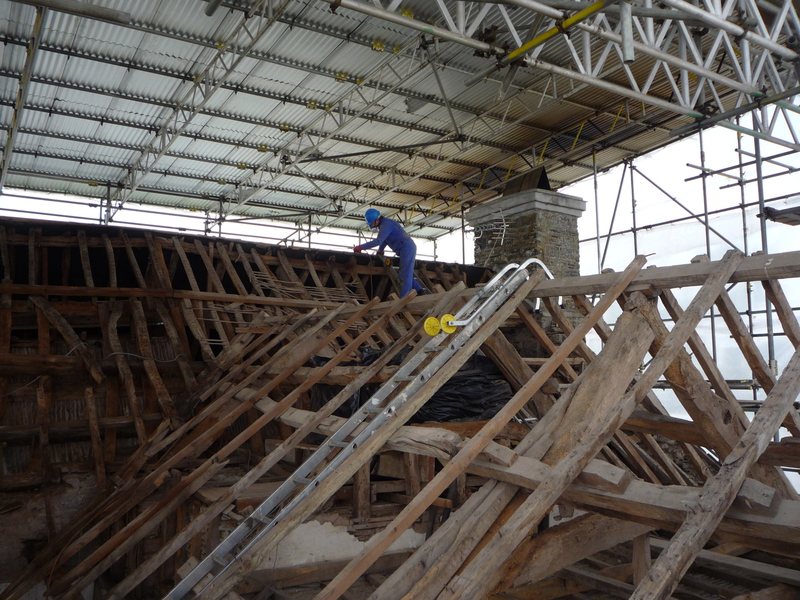
Please see some of the pictures of the type of work we undertake; from damp proofing, structural waterproofing, condensation control, timber treatment, timber repairs using specialist resin
repairs and property maintenance. Most of our work undertaken is within the local areas in and around Tavistock.
Surveys are carried out by our surveyor with CSRT and CSSW qualifications and we have been carrying out this type of work locally since 1987.
ProCare are Wykamol and Repair Care approved contractors.

 Print
Print 